I didn't begin college expecting to become a counselor. I earned my undergraduate degree in biology from the University of Central Oklahoma, but my wife saw something in me that pointed in a different direction. She suggested that counseling might be a good fit for me — and she was right. I went on to earn my master's degree from Mid-America Christian University and found work that I genuinely love.
Today, much of my clinical work centers on trauma that occurs within relationships, including sexual trauma and the confusion that can remain after narcissistic abuse. These experiences rarely fit into simple categories. People often arrive carrying conflicting emotions, unanswered questions, and patterns that once helped them cope but no longer serve them.
My role isn't to hand you a predetermined explanation or push you through a fixed process. Therapy is collaborative: we pay attention to your experience, look carefully at the patterns shaping it, and decide together what healing and change might look like for you.
I also offer faith-integrated counseling for clients who want their Christian faith to be part of the therapeutic process. Faith can be a source of meaning, strength, and healing, but it can also involve difficult questions, doubt, disappointment, and spiritual wounds. All of that belongs in the conversation. I approach these issues with honesty and nuance rather than easy answers, while respecting each client's beliefs and personal journey.
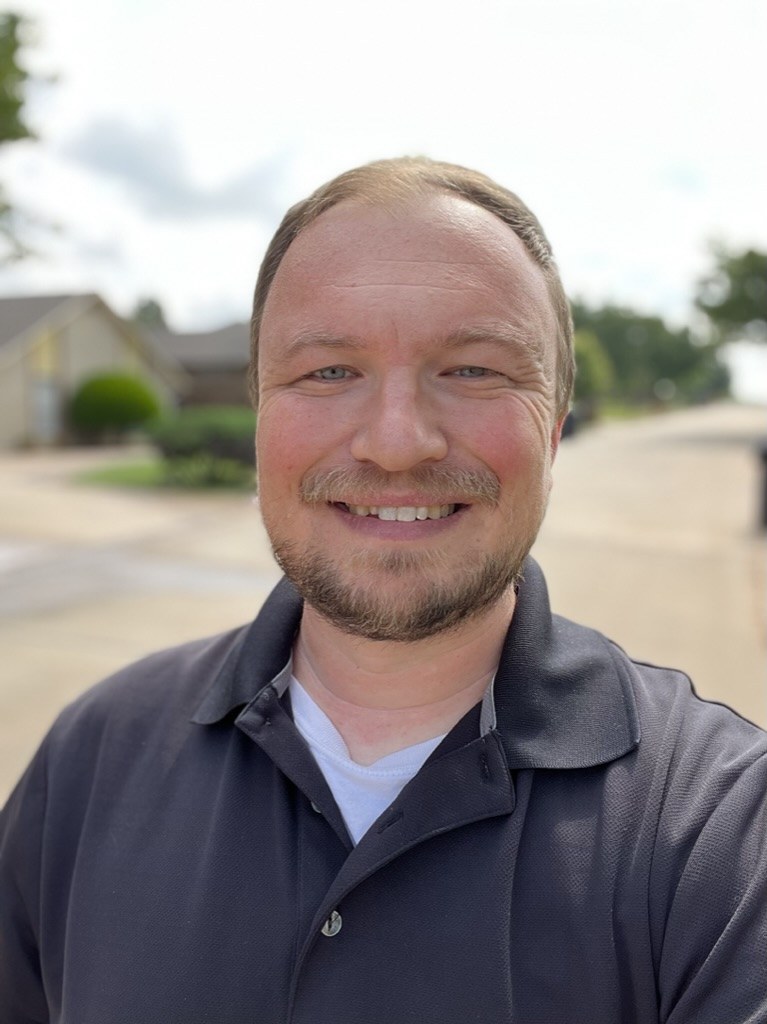
Outside the counseling office, I'm a husband and father of three. I write fiction and nonfiction, including work published through my Substack, The Pen and Mind, and I play keyboard at my church.
I tailor the approach to the person, not the other way around. Depending on what you're working through, our sessions may draw from:
Schedule a consultation to see if we're a good fit.